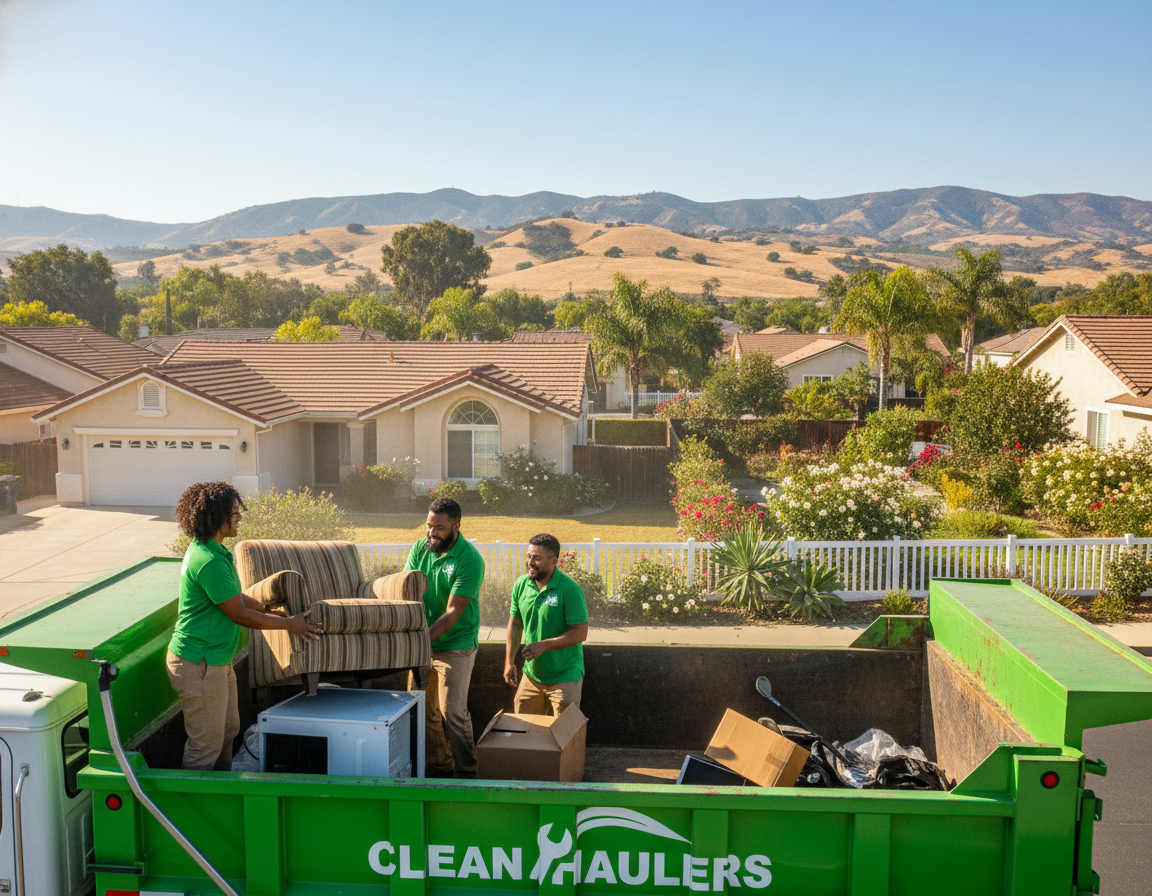
You may be surprised to learn that the usual American home contains over 300,000 items? A significant portion of this turns into clutter that uses precious space. For homeowners and businesses in Ojai, removing these unwanted items can feel overwhelming. This is exactly where professional help makes all the difference.
Local Junk Removal Company in Ojai for Fast and Easy Cleanouts
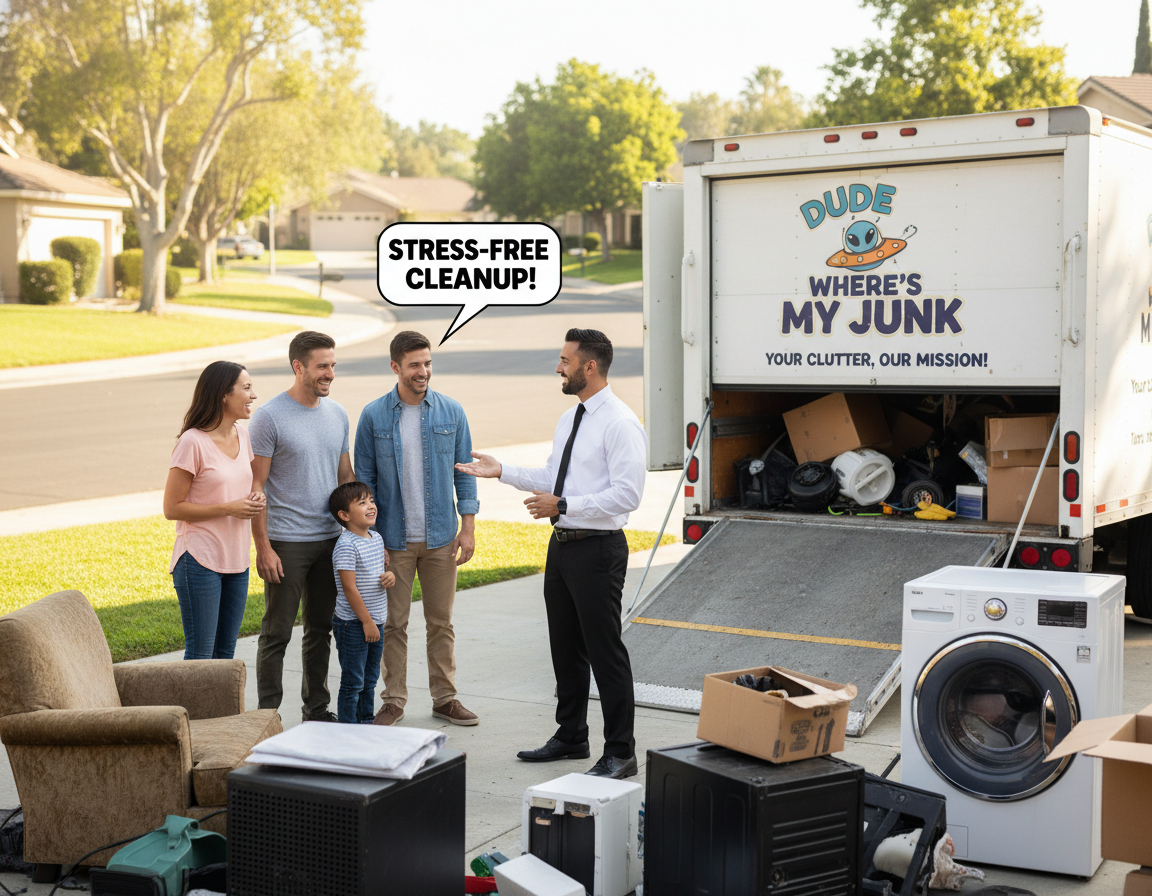
The team at Dude Where’s My Junk Inc. serves customers right here in the Ojai, California area. This family-operated company is dedicated to helping the community take back their space. They haul away unwanted items fast and professionally.
This local company offers a broad variety of solutions. This includes home cleanout work and commercial debris hauling. Booking is straightforward online or by phone, with fast scheduling often possible.
Their service area covers the entire Ojai Valley and nearby Ventura County communities. Their local expertise ensures a stress-free process from the first quote through the last sweep. The team is committed to customer satisfaction and eco-friendly disposal practices.
Reliable service is just a quick message away. Visit www.dwmjjunkremoval.com/ojai-ca for service information or to book a removal appointment today.
Main Highlights
- Dude Where’s My Junk Inc. is a local, family-owned business serving Ojai.
- They assist with cleaning out unwanted items from both residences and business locations.
- Scheduling is convenient, with the possibility for same-day service.
- Their service area covers Ojai Valley and nearby Ventura County.
- The service is structured to be easy and low-pressure for the customer.
- The company prioritizes environmentally responsible disposal methods.
- Requesting help is straightforward through their website or a phone call.
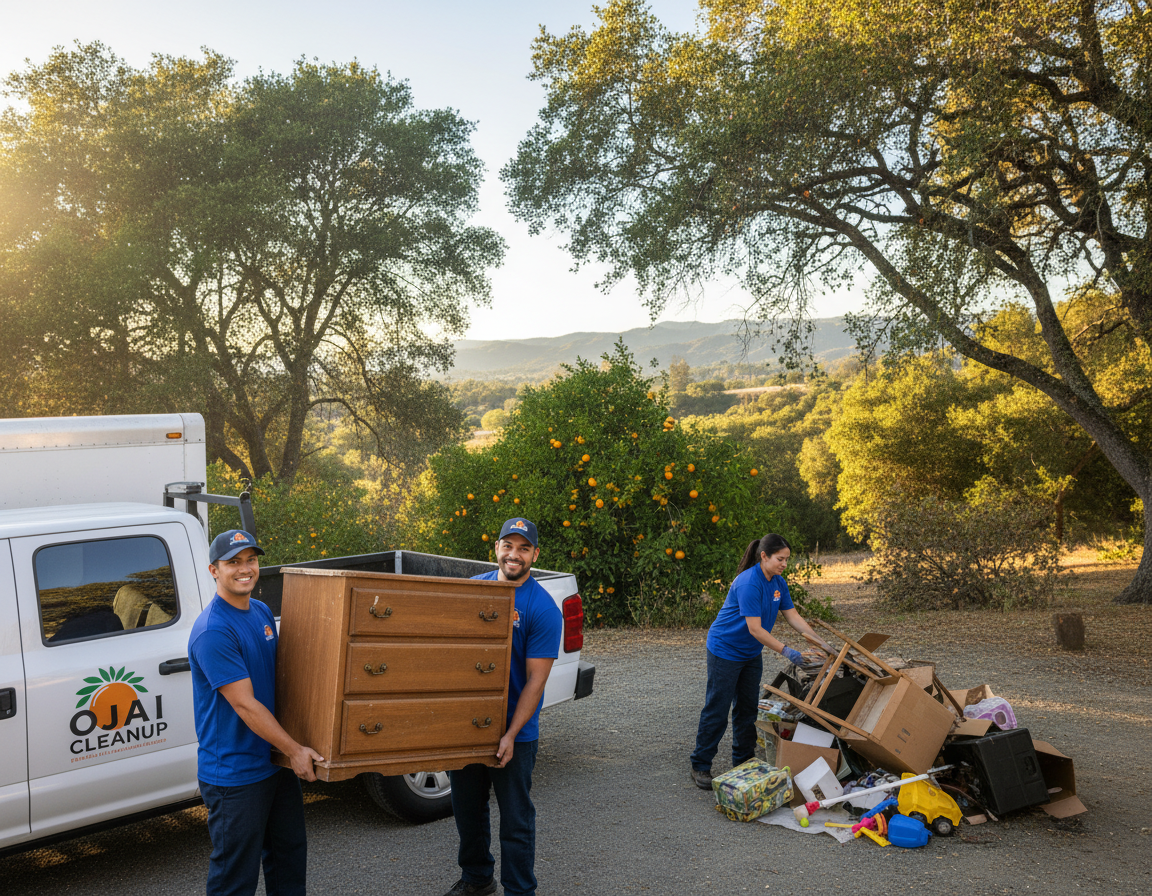
Welcome To Dude Where’s My Junk Inc.: Your Ojai Cleanup Partner
Clearing a stuffed storage area or a cluttered business space starts with a single call to a dependable local company.
Dude Where’s My Junk Inc. is that team. This is a family-owned and operated business with real connections right here in the community.
Their goal is straightforward: be the dependable cleanup partner for everyone in the valley. They work with property owners, leaseholders, rental owners, and business owners.
The workers are experienced, professional, and friendly. They handle every project with care and a commitment to doing the work properly.
Your satisfaction remains the main focus. The team takes time to understand your specific needs to make sure the final result is exactly what you wanted.
Their crew focuses on clearing out cluttered areas. This includes garage spaces, cellars, outdoor areas, and workspaces. The goal is to convert these packed areas into functional, usable parts of your property.
You can have complete peace of mind. Dude Where’s My Junk Inc. is licensed, insured, and professional. This protects you and your property on every job.
Scheduling is made to fit your needs. You can schedule or ask questions 24 hours a day, seven days a week. This makes it convenient to fit cleanup into your busy life.
Their help is especially useful during many common life events. The table below shows typical scenarios where they help Ojai residents and businesses.
| Situation |
Usual Materials Cleared |
Customer Advantage |
| Moving House or Reducing Belongings |
Unwanted furnishings, cartons, and general household goods |
Simplifies relocation and saves valuable time |
| Residential Remodel |
Construction debris, old fixtures, flooring materials |
Keeps the worksite safe and clear for contractors |
| Estate Clearing |
Entire household contents, accumulated items |
Creates a respectful way to clear the space |
| General Decluttering |
Garden waste, unwanted electronics, and unusable appliances |
Quickly reclaims living or storage space |
Their area knowledge is a clear strength. They understand Ojai’s distinct layout and local disposal rules. This ensures a smooth and compliant process.
Working with a nearby company means you support the community. It also means you receive neighborly, detail-focused support from people who are part of the local community.
Full-Service Junk Removal And Hauling In Ojai
From overstuffed garages to busy commercial sites, unwanted items can build up fast. Dude Where’s My Junk Inc. provides a full suite of solutions to tackle any cleanup challenge. Their team handles everything from a single bulky piece to an entire property clearance.
Every project receives attention, whether big or small. The crew is ready for both interior and exterior work. They manage minor do-it-yourself debris and heavy construction debris with equal skill.
Household Junk Removal
Property owners frequently need assistance reclaiming their living space. This service clears out lofts, lower levels, garages, and outdoor areas. The team removes unwanted household goods, old furniture, and general clutter.
They handle entire property cleanouts with efficiency. Common tasks include back yard debris hauling and side yard clean-ups. The goal is to return comfort and function to your residence.
Commercial Property Cleanouts
Local businesses benefit from organized removal services. The company assists with workspace cleanouts, retail space clearing, and restaurant equipment removal. They also manage debris from shopping centers and other commercial properties.
That keeps job sites clean, safe, and business-ready. A clear space improves operations and customer impressions. It is a valuable support option for maintaining a productive business environment.
Construction Debris And Demolition Cleanup
Remodels and building projects generate a lot of waste. The crew specializes in demolition services and debris removal. They take away sheetrock, timber, concrete, and roofing debris.
This includes interior store demolition and remodel job cleanups. Removing this material clears the site for the next phase. It allows contractors and homeowners to move ahead faster.
Property And Estate Cleanouts
These clear-outs require care and attention. The team clears homes after a move, foreclosure, or the passing of a loved one. They handle all contents with respectful attention.
Their services also include rental home cleanouts and eviction cleanouts. The process is structured for speed and care during emotionally challenging times. They transform a full home into a blank slate.
Furniture And Appliance Removal
Removing oversized pieces is difficult. This service specifically hauls away old sofas, beds, tables, and appliances. Refrigerators, washers, and dryers are frequent removals.
Their crew brings the tools to safely move these bulky objects. They haul away what you no longer need. This clears valuable room in your home garage or living area.
Hard-To-Handle Item Removal
Certain items need special techniques and tools. The company manages spas, sheds, playground structures, and bedding. They perform shed tear-outs and handle both above-ground and in-ground units.
This type of work may seem difficult to tackle alone. Professional removal services ensure it’s done properly and thoroughly. It eliminates a major obstacle from your property.
They also provide brush and green waste removal. Storage unit cleanouts and easy-access junk removal for tight spaces are also available. The team can handle a broad mix of materials and volumes.
For a helpful overview of common belongings they remove, see the dedicated section later in this article. Their comprehensive approach means one call can solve multiple cleanup needs.
Our Simple, Stress-Free Junk Removal Process
Lots of people postpone clearing out clutter because they assume the process will be stressful and drawn out. Dude Where’s My Junk Inc. has designed a simple four-step process to eliminate that worry.
Their process changes a potentially overwhelming task into a smooth, hassle-free experience. From the first contact to the final sweep, every detail is taken care of professionally.
Step 1: Request A Free, No-Obligation Estimate
Starting the process is straightforward. Reach out by phone, text, or through the online form on their website.
You will speak directly with a member of their crew. They listen to your needs and provide a free, no-pressure estimate.
For many projects, a quote can be shared during the call the same business day. This initial step is simple and commits you to nothing.
Step 2: On-Site Assessment And Transparent Pricing
For larger loads, a quick on-site visit may be scheduled. A crew member will assess the items to be removed.
This ensures the quote is fair and fully explained. Their rate model model is clear and straightforward, with no hidden fees.
You will know the total cost before any work begins. This transparency allows you to feel prepared.
Step 3: Skilled, Efficient Junk Removal And Hauling
On your scheduled day, a professional crew shows up promptly. They handle all the heavy lifting with care for your property.
The crew works efficiently to load everything onto their truck. Whether it’s old furniture, construction waste, or general junk, they manage it all.
Most jobs are completed in a single visit. This saves you significant time and effort.
Step 4: Clean Finish And Eco-Conscious Disposal
When the final piece has been removed, the crew performs a final sweep. They leave the area neat and ready to use.
The junk removal process doesn’t end at your curb. All materials are transported to proper disposal locations.
Items are sorted for donation, recycling, and proper landfill handling whenever possible. This responsible approach is a core part of their service.
The whole system is built for your convenience. You get a complete service with no surprises.
Flexible scheduling, including same-day or next-day availability, is available for urgent needs. The goal is to help you reclaim your space without hassle.
Contact them today to begin your simple, stress-free cleanup job.
Green Disposal Through Recycling And Donation In Ventura County
Every item removed from a home or business has a destination beyond the curb. Dude Where’s My Junk Inc. makes eco-conscious service a core part of its mission. The company is strongly dedicated to sustainable practices throughout Ventura County.
That commitment turns a standard cleanup into a positive community action. The goal is to minimize what ends up in the dump. Instead, materials are given a second purpose whenever possible.
How does this work? After collection, every load undergoes organized review. Crews identify materials that can be sent toward better reuse options. This process is the first step toward responsible material management.
The company maintains strong partnerships with local material recovery centers. These facilities accept a wide range of materials.
- Scrap Metals: Used appliances, metal scraps, and fixtures are processed for recycling.
- Electronic Items: Televisions, computers, and cables are processed properly.
- Cardboard & Paper: Boxes and office paper are sorted, baled, and recycled.
- Plastic Items: Eligible containers and items are sorted for processing.
These local connections make sure materials re-enter the manufacturing cycle. This reduces the need for freshly extracted materials.
A strong donation approach handles gently used goods. Items that still have value are never treated as junk.
Their crew partners with local charities and thrift stores. Furniture, working appliances, clothing, and household goods find new homes. This supports both the environment and people in the community.
Building and remodel jobs generate specific types of waste. This material is handled with proper planning.
Drywall, concrete, and usable lumber are often processed for reuse. They might become reused construction resources. Proper handling of construction debris is a specialized service.
For materials that cannot be recycled or donated, the company uses approved facilities. One key location is the Simi Valley Landfill & Recycling Center in Ventura County, California. This ensures final waste handling meets all environmental regulations.
The combined process reduces the carbon footprint of each cleanup job. While exact numbers vary per load, the company aims to divert a significant amount of collected material from the landfill.
This focus on material recovery and donation directly contributes to a greener Ojai. Customers can feel confident in the decision. They know their unwanted items are handled with care for the planet.
Hiring a green-minded clutter removal service makes a real difference. It turns a simple cleanup into an act of environmental stewardship.
Eco-conscious discarded item management is a key point of pride for Dude Where’s My Junk Inc. It sets them apart and reflects their deep respect for the Ventura County community and its natural beauty.
Trusted Local Service For Ojai And Ventura County
Service area coverage is a key factor when selecting a cleanup company. Dude Where’s My Junk Inc. is locally connected in this region.
The crew delivers dependable hauling support across a wide geographic footprint. This ensures you get help where you own property and operate.
Hiring a nearby company provides distinct advantages. You benefit from their knowledge of traffic, disposal rules, and community needs.
Core Ojai Valley Service Area
Their home territory is the beautiful Ojai Valley. They provide regular, reliable removal throughout this core territory.
Coverage includes the city of Ojai itself and its immediate surrounding communities. Key locations are Meiners Oaks, Oak View, and nearby unincorporated locations.
They regularly complete jobs in specific neighborhoods and zip codes within the valley. Whether it’s a downtown workspace or a secluded hillside property, they know the lay of the land.
That regional familiarity supports faster response times. It also means more attentive support for every client.
Additional Ventura County Service Area
Although they are based in Ojai, the crew frequently travels throughout Ventura County. They serve a broad range of cities and towns.
This broader coverage reaches major population centers and surrounding communities.
- Ventura area
- Oxnard Plus Port Hueneme
- Camarillo communities
- Thousand Oaks Plus Newbury Park
- Simi Valley communities
- Moorpark locations
- Santa Paula & Fillmore
- Somis And Piru
Their crew helps both residential and commercial clients across this entire region. Service availability in outlying locations may depend on daily scheduling and project volume.
Property owners are advised to call and confirm coverage for their specific address. The team strives to accommodate requests throughout the Ventura County region.
Using a company familiar with the county’s infrastructure is a major plus. They know the fastest routes and the proper facilities for disposal and recycling.
That experience simplifies the entire junk hauling process. It turns a complex logistical task into a simple, efficient hauling job.
Their team remains a proud member of the local business community. Supporting them means supporting the regional economy.
Their work varies from urban workplaces to rural properties. Each project is handled with the same professional care.
Community-based work encourages community accountability. You can trust a neighbor to do the job right.
Honest Pricing With No Hidden Fees
A straightforward price builds trust and eliminates uncertainty from the start. Dude Where’s My Junk Inc. operates on a principle of complete transparency. They believe you should know the exact cost before any work begins.
Their pricing is simple and market-conscious. You will never encounter surprise charges or last-minute fees on your final bill.
What affects the final cost? For most projects, cost is based on the volume of material you need removed. They measure how much space your items take up in their truck.
For specialized labor, like demolition, the time required can also be a factor. This ensures you pay fairly for the actual scope of the work.
To give you a general idea, a standard truckload of mixed household clutter has a typical price range. Larger single items, like hot tubs, often have a flat-rate cost for hauling.
The table below illustrates their transparent approach compared to less clear practices.
| Dude Where’s My Junk Inc. Upfront Pricing Approach |
Competitor Practices With Hidden Costs |
| A direct quote tied to volume or required time |
Low initial estimate with added fuel surcharges |
| Cost covers workers, hauling, disposal, and final cleanup |
Additional disposal or environmental fees tacked on later |
| Free on-site estimate confirms final cost |
Final bill is significantly higher than the quote |
| Example: Full load of mixed household goods |
Example: Starting cost plus several add-on charges |
Multiple variables may shape the final quote. The type of materials is a primary consideration.
Weighty materials like concrete usually cost more to remove than light clutter. Accessibility of the items and distance to disposal facilities also matter.
To account for these variables, the company provides free, on-site assessments. A crew member will look at your items and give you a firm, all-inclusive price.
This quoted price covers everything. It includes the labor, the transport, all disposal fees, and the final sweep-up. There are no extras.
Payment is designed for your convenience. They accept cash, checks, and all major credit or debit cards. Electronic payments are also available.
Their crew works to offer rates that are fair and competitive. They never compromise on service quality to lower a price.
Your unique removal project deserves a customized quote. Contact them today for a specific estimate. Reclaim your space with confidence, knowing the cost from the very beginning.
Why Choose Dude Where’s My Junk Inc.?
Choosing carefully for property clearing involves evaluating key service attributes and company values. Many providers exist, but the right partner delivers more than just a truck.
Dude Where’s My Junk Inc. stands out for its commitment to quality, safety, and community. They build their entire operation around customer peace of mind.
Fully Licensed And Insured For Your Protection
This company operates with full licensing and comprehensive insurance. This is not just paperwork; it is a critical layer of security for you.
It protects customers from liability should any accidental damage occur. It also guarantees the crew meets professional industry standards.
You can feel confident that every cleanup is backed by this formal commitment. It turns a simple cleanup into a risk-free transaction.
Fast, Professional, And Reliable Teams
The staff at Dude Where’s My Junk Inc. is prepared, professional, and organized. They arrive on time and work with clear purpose.
Their professional approach appears in courteous interaction and careful handling of your property. They use proper equipment and techniques to prevent damage.
Comments from pleased customers often praises their speed and diligence. This reliability transforms a daunting task into a smooth experience.
Family-Owned And Operated Local Business
Working with this team means supporting a local, family-run enterprise. This structure fosters a deep sense of accountability and personalized attention.
Their trusted presence in the valley is built on trustworthiness. As neighbors, they have a direct stake in every project’s success.
They often make an added effort to ensure complete satisfaction. This community focus is a benefit impersonal corporations cannot match.
Convenient 24/7 Scheduling And Communication
Your schedule does not always fit business hours. Dude Where’s My Junk Inc. makes contact easy anytime.
You can book a free estimate or ask questions 24 hours a day, seven days a week. This flexibility is designed for your convenience.
Whether you are scheduling early or need fast help, they are ready to listen. This accessibility is a cornerstone of their customer-first support.
The chart below explains how their approach compares to less ideal options.
| Working With Dude Where’s My Junk Inc. |
Concerns With Less Reliable Options |
| Licensing and insurance provide important customer protection. |
Uninsured operators may create liability problems after accidents. |
| Nearby, responsible, and connected to the community. |
Large corporate chains may offer impersonal, inconsistent service. |
| Transparent, upfront pricing with no hidden fees. |
Certain companies tack on extra fees after completion. |
| Prepared crews use safe, professional handling. |
Inexperienced laborers can cause property damage. |
Overall, selecting Dude Where’s My Junk Inc. means choosing quality and peace of mind. You gain a partner who cares about the community and your complete satisfaction.
Their reliable junk removal turns a complex project into a simple, positive solution. It is the smart choice for any cleanup need.
Common Junk We Remove From Ojai Homes And Businesses
Storage closets, garages, and workplaces often hold onto items long after their usefulness has passed. Knowing what can be taken simplifies planning your property clearing project.
The list of accepted materials is wide. This includes everything from daily clutter to large specialty objects.
Popular removal services focus on specific categories. Furniture, mattresses, sheds, and hot tubs are common requests.
From old sofas to outdated electronics, crews handle it all. Here is a detailed look at what they typically take away.
- Household Furniture: Worn sofas, seating, tables, and bedroom furniture. Mattresses, box springs, and bed frames are also included.
- Appliances: Refrigerators, ranges, washers, and laundry dryers. Dishwashers, water heaters, and microwaves are taken too.
- Electronic Waste: Televisions, computers, monitors, and printers. Stereo equipment is handled with proper e-waste protocols.
- Yard & Outdoor Items: Patio furniture, grills, and swing sets. Trampolines, garden debris, fencing, and lumber are cleared.
- Construction & Renovation Debris: Drywall, flooring, and old cabinets. Countertops, windows, doors, and roofing materials from tear-out projects.
- Specialty Items: Spas, storage sheds, and children’s playhouses. Above-ground pools and exercise equipment are removed safely.
- Everyday Clutter: Boxes, books, toys, and clothing. Miscellaneous home clutter from attics, basements, and storage areas.
- Business Items: Office desks and chairs, retail displays, and restaurant equipment. Store fixtures and other business-related materials.
They remove large volumes from entire property cleanouts. This includes the full contents of storage units.
For fast planning, the table below summarizes common categories.
| Item Category |
Usual Items |
Common Location |
| Furniture And Bedding |
Sofas, tables, mattresses, bed frames |
Family rooms, bedrooms, and storage spaces |
| Large Appliances |
Fridges, washing machines, dryers, and ranges |
Garages, kitchens, and laundry rooms |
| Electronic Items |
TVs, computers, office printers, and stereos |
Home offices, entertainment centers |
| Garden And Exterior |
Patio furniture, grills, fence panels, and yard debris |
Backyards, side yards, patios |
| Renovation Waste |
Drywall, lumber, roofing, old fixtures |
Renovation sites, demolition areas |
| Specialty Items |
Hot tubs, storage sheds, play structures, and pools |
Backyards, recreational areas |
| Everyday Home Junk |
Boxes, clothes, toys, miscellaneous items |
Storage rooms, lofts, and garages |
| Office And Commercial |
Desks, chairs, displays, restaurant gear |
Workplaces, retail spaces, and business properties |
If particular objects are not listed, please call to confirm. The company can take almost anything non-hazardous.
Professional junk removal turns these objects from obstacles into cleared space. It helps your residence or business feel organized and functional again.
Items We Cannot Accept: Hazardous Materials And Exclusions
For the protection of their team, clients, and the community, every reputable junk removal company has a list of prohibited materials.
Dude Where’s My Junk Inc. follows strict safety and environmental laws. These rules dictate what can be transported in a standard hauling truck.
Their rule is straightforward. They can take almost anything, as long as it’s not hazardous.
This ensures a safe cleanup site and proper waste handling. The following materials are strictly excluded from their junk removal services.
- Household Chemicals: Paint, wood stain, solvents, and pest-control chemicals. Herbicides, adhesives, and automotive fluids like oil or antifreeze.
- Construction Hazards: Asbestos tiles, insulation, or similar materials. Certain types of insulation or old flooring.
- Electronics & Batteries: Some e-waste items requires special handling. Car batteries, lithium-ion, and lead-acid batteries are not accepted.
- Compressed Containers: Propane cylinders, helium tanks, and pressurized gas containers. Aerosol cans with product inside are also prohibited.
- Medical & Biological Waste: Syringes, needles, and other sharps. Pharmaceuticals and biohazardous materials.
- Combustible And Explosive Items: Ammunition, fireworks, and gasoline. Any material that is flammable or reactive.
- Vehicle Tires: Vehicle tires have special disposal fees and recycling rules. They are typically not accepted.
- Contaminated Materials: Wet, moldy, or food-soaked trash. These can pose health risks during transport.
This table makes clear what is excluded versus what is commonly accepted.
| Excluded Hazardous Materials |
Common Acceptable Alternatives |
| Paint cans (full or partially full) |
Empty paint containers that are fully dry and open |
| Automotive batteries plus used oil |
Used appliances with coolant drained |
| Asbestos-containing tiles or insulation |
Wallboard, wood, and clean demolition materials |
| Empty or full propane tanks |
Metal patio furniture, old grills (no tank) |
| Food waste and household garbage |
General household clutter and old furniture |
How should these prohibited materials be handled? Ojai residents have good local options.
The county provides household hazardous discarded chemical collection programs. These handle chemicals, paints, batteries, and more.
For detailed local help on paint, electronics, and other tricky objects, please see the next section. It details local Ojai resources for recycling and proper processing.
When the crew visits for the estimate, the crew will identify any questionable materials. They will advise you on the proper next steps.
This cautious method keeps everyone safer. It also ensures compliance with all environmental regulations.
Remember, the list of exclusions is short. The vast majority of household and commercial unwanted material is perfectly acceptable for removal.
Local Ojai Resources For Recycling And Disposal
People in Ojai can use a network of dedicated facilities for handling specific types of discarded materials. Professional cleanup is just one part of a responsible strategy.
Learning the right destination for special items ensures everything is processed correctly. This guide highlights key local services for trash, recycling, and hazardous discarded items.
Taking advantage of these services works well with any professional junk removal job. It helps keep the valley clean and sustainable.
Trash And Recycling Services In Ojai
For normal curbside pickup, E.J. Harrison and Sons, Inc. is the primary provider. They handle residential and commercial pickup throughout the area.
Their services include standard trash, recyclables, and green waste. Proper sorting at home streamlines the process.
Customers can reach out to them for schedule details or bin requests.
E.J. Harrison and Sons, Inc.
1589 Lirio Avenue
Ventura, CA 93004
(805) 642-2278
The company provides information on what materials belong in each cart. This reduces contamination and supports effective recycling.
Local Centers For Paint, Electronics, And Hazardous Waste
Many common household items require special handling. Ojai has convenient drop-off points for these materials.
For electronic waste, the Ojai Valley Community Bank hosts a collection site. Old TVs, computers, and cables can be dropped off here.
- Electronic Recycling In Ojai: Ojai Valley Community Bank, 402 W. Ojai Avenue, Ojai, CA 93023. Phone: (805) 669-8445.
Leftover paint is handled through the national PaintCare program. Frontier Paint – Catalina Paint in Ojai is an official drop-off location.
- Ojai Paint Drop-Off: Frontier Paint – Catalina Paint, 227 Baldwin Avenue, Ojai, CA 93023. Phone: (805) 646-0459. Call ahead for details.
The program processes extra paint into new products. It keeps harmful chemicals out of the waste stream.
For additional hazardous waste, Ventura County organizes Household Hazardous Waste (HHW) collection events. These are held periodically at designated areas.
Residents can bring chemicals, batteries, fluorescent bulbs, and more. Check the county’s website for upcoming dates and locations.
Other specialty items have their own pathways. Mattresses can often be recycled through retailers or specific programs.
Used tires may be accepted by tire shops for a fee. Always call first to confirm acceptance and any costs.
Donation is another excellent option. Local thrift stores, shelters, and charities welcome quality items.
| Donation Resource Type |
Ojai And Ventura County Examples |
Items Typically Accepted |
| Charity Shops |
Regional charity shops and local church stores |
Garments, furnishings, housewares, and reading materials |
| Animal Shelters |
Local Ventura County rescue groups |
Blankets, towels, and pet items |
| Local Charities |
Pantries, shelters, and community organizations |
Packaged food, toiletries, and daily essentials |
Donation helps belongings avoid waste. It supports neighbors in need.
Careful sorting before disposal creates a big difference. Rinse containers and remove lids from bottles.
Keep recyclable materials clean, dry, and food-free. Break down cardboard boxes to save space.
Cutting down on waste starts with mindful consumption. Choose products with less packaging when possible.
Dude Where’s My Junk Inc. can offer guidance on these local resources. If they cannot haul an item, they will point you in the right direction.
Pairing expert junk removal with these community services creates a comprehensive cleanup plan. It ensures every material is handled responsibly.
Responsible disposal and material recovery help preserve Ojai’s natural beauty. They contribute to a healthier environment for all.
For any questions about specific items, reach out to the local facilities listed. Their staff can offer the most current information.
Helpful Tips For Preparing For Your Junk Removal Appointment
A little preparation goes a long way toward ensuring your cleanup project runs smoothly. Taking a few moments before the crew arrives can make the entire process faster and more efficient.
These basic preparations help everyone stay safe and focused. They also ensure you get the most value from the service.
First, clearly identify all items you want taken away. Use colored tape or sticky notes on larger objects. You can also group everything in one specific area of your site.
That easy step avoids any confusion on the scheduled day. It ensures the team removes exactly what you intend.
Then, consider access. Move vehicles from the driveway and clear a wide path to the garage or backyard.
Make sure doors and gates can open fully. This allows the crew to work quickly without moving obstacles.
For bulky furnishings, consider disassembly if it is safe and easy. Taking apart a bed frame or bookcase can speed up the hauling process.
The professionals can manage disassembly if you would rather not do it. Just let them know during the initial walk-through.
Remove important belongings and personal valuables from any piles. Check drawers, shelves, and inside appliances before the project begins.
This protects your important items from accidental pickup. It also gives you peace of mind.
Safety matters. Unplug all electronics and disconnect appliances like washers or dryers. Drain any water lines if possible.
If there are unsafe materials, please separate them completely. Refer to the earlier section for proper local disposal options.
Being present during the estimate and the actual removal is highly recommended. You can answer questions and provide access to all areas.
Your guidance helps the crew understand your specific goals for the property.
Rain or wind can influence exterior jobs. If rain is forecast, consider covering items with a tarp.
You may want to talk about a potential rain date with the scheduler. Planning ahead avoids last-minute delays.
Finally, have your preferred payment method ready. This streamlines the checkout process after the job is done.
Their crew manages the hard physical work. Your preparation simply makes their work easier and more cost-effective.
Here is a quick checklist to review before your appointment:
- Identify removal items with tape, notes, or grouping.
- Make room for the truck and crew pathways.
- Take valuables and personal belongings out of the space.
- Prepare appliances by unplugging and disconnecting them.
- Set aside restricted or hazardous items.
- Plan for weather if working outside.
- Keep your chosen payment option available.
Taking these steps supports a seamless experience. You’ll reclaim your house or property with minimal stress.
Customer Assurance: Our Commitment To Your Satisfaction
Selecting a cleanout company involves more than just hiring labor. It’s about selecting a partner committed to your complete satisfaction.
This company builds its entire operation on this principle. Your peace of mind is the ultimate measure of their success.
Consistent communication supports every project from start to finish. The team ensures you are informed at every stage.
You get clear information from the initial estimate through the final sweep. This transparency eliminates surprises and builds trust.
Professionalism defines the crew’s approach on every job. They treat your property with respect and care.
The cleaned area is left clean and tidy. Crews arrive on time and work efficiently to meet your schedule.
If a concern comes up, the company addresses it promptly and fairly. They stand firmly behind the quality of their work.
This commitment is reflected in positive reviews and repeat clients. Many clients return for future projects or refer friends.
The team welcomes feedback after each cleanup is complete. This input drives continuous service improvement.
When you hire them, you choose a reputable, established business. Dude Where’s My Junk Inc. deeply values its standing in the community.
Their professional licensing and insurance add an extra layer of protection. It assures you that the project is done right and responsibly.
| What We Promise |
How It Helps You |
| Clear, Consistent Communication |
You know what is happening from start to finish. |
| Respectful Handling And Clean Work Areas |
Your space receives respectful treatment and tidy results. |
| Fast Handling Of Customer Concerns |
Issues are handled quickly and fairly, guaranteeing your satisfaction. |
| Commitment To Eco-Friendly Practices |
Your unwanted material is handled responsibly, supporting a greener Ojai. |
| Local, Licensed, And Insured |
You receive professional safeguards from a local company. |
Potential property owners are encouraged to verify this track record. Check online reviews or ask for references.
Reading customer experiences provides real-world proof of their dedication. It confirms the company’s focus on excellence.
When you choose Dude Where’s My Junk Inc., you choose a dedicated partner. Their goal is to make your hauling experience positive and stress-free.
They do not simply aim for satisfaction; they stand behind it.
How To Book Your Ojai Junk Removal Service Today
Ready to transform your space? Booking professional help is a straightforward process.
This company keeps booking simple to start your cleanup project. You have multiple ways to connect and get a free estimate.
The main phone number is 805-862-1918. Call or text this line for immediate assistance.
You may also contact the team at 805-987-2441. Both numbers are active and welcome your inquiry.
For customers who would rather connect online, visit their website. The address is www.dwmjjunkremoval.com/ojai-ca.
The website allows you to fill out a contact form. You can also view service details and book appointments directly.
Their line is available 24 hours a day, seven days a week. Calls are welcome any time, day or night.
This all-hours availability offers ultimate convenience. It fits even the busiest schedules.
Before calling, gather simple job information ready. This helps the representative give you an accurate quote.
- A brief list of items you need removed.
- Your home or office location.
- The date and time range you prefer.
They usually respond fast. Estimates are often provided the same day you make the call.
Asking for an estimate comes with no pressure. Their rates is transparent, with no hidden extras.
The company offers flexible scheduling to meet your needs. Same-day and next-day appointments are possible, subject to availability.
Service times on weekends can often be discussed. Discuss your timing preferences when you speak with the scheduler.
Reaching out today starts the process of reclaiming your space. A clutter-free environment is closer than you think.
This hauling support is available for both residential and commercial clients. They serve all throughout the Ojai Valley and Ventura County.
Do you have specific concerns about what they can haul? The team is happy to provide clear details.
The path to a cleaner property starts with one simple step. Pick up the phone or visit the website right now.
Call 805-862-1918 or go to www.dwmjjunkremoval.com/ojai-ca to schedule your junk removal service.
Conclusion: Reclaim Your Space With Professional Junk Removal
Completing your home cleanup project brings a profound sense of accomplishment and relief.
This company provides comprehensive, reliable cleanup services. Their process is designed for your peace of mind, featuring transparent pricing and a commitment to responsible recycling.
Removing clutter changes your home or business. It creates functional usable area, reduces stress, and supports a healthier environment throughout Ventura County communities.
As a local, family-owned partner, they prioritize your satisfaction. Whether it’s one item or a full cleanout, their licensed team handles it efficiently.
Take the first step toward a cleaner, more organized space. Visit www.dwmjjunkremoval.com/ojai-ca or call to book your junk removal today.
Related: Couch Pickup And Removal in Ojai